

Population growth naturally drives economic landscapes, exerting pressure on resources and infrastructure by 2050's projected 9.7 billion global population. Financial institutions and consumers must adapt to demands in housing, education, and healthcare. Policymakers manage demographic transitions and socioeconomic factors influencing fertility. Demographic surveys guide urban planning and policy. Businesses adopt sustainable strategies like precision farming, data analytics, and eco-friendly practices to balance economic expansion with ecological preservation.
Understanding population growth is paramount in today’s rapidly evolving world, especially for consumers navigating the complexities of modern markets. This dynamic process significantly influences resource allocation, consumption patterns, and overall economic health. However, grasping population growth’s intricate nature can be challenging, often leading to misinformed decisions. The current landscape demands a clear, educational walkthrough that deciphers this phenomenon, particularly from the consumer perspective. This article aims to provide an in-depth exploration of population growth, offering insights into its natural fluctuations and strategic implications for consumers in the modern era.
Understanding Population Growth Dynamics
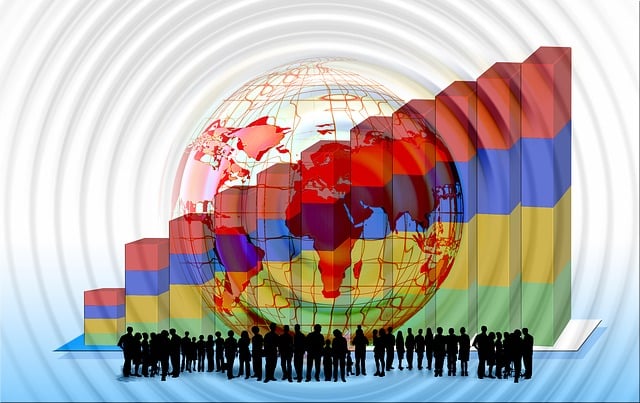
Understanding population growth dynamics is crucial for consumers navigating modern economic landscapes. Population growth, naturally occurring over time, significantly influences various aspects of life, including housing markets, resource availability, and infrastructure demands. According to recent global trends, the world’s population is expected to reach 9.7 billion by 2050, marking a substantial increase from current levels. This rapid expansion exerts pressure on existing resources and infrastructure, necessitating thoughtful planning and strategic adjustments.
One key aspect to consider regarding population growth dynamics is their impact on borrower requirements. As populations grow, the demand for housing, education, and healthcare escalates, driving up borrowing needs. In many regions, this has translated into increased demand for mortgages, student loans, and medical financing. For instance, in rapidly urbanizing areas, the influx of new residents often outpaces housing supply, leading to higher property prices and a greater need for affordable lending options. Similarly, as healthcare systems strain under growing populations, access to medical credit becomes more critical for many individuals and families. Understanding these borrower requirements is essential for financial institutions aiming to meet the demands of a changing demographic landscape.
To effectively navigate these dynamics, consumers should stay informed about regional population growth trends and their implications. Monitoring local housing markets, for example, can help anticipate price fluctuations and inform decisions regarding buying, selling, or investing in property. Additionally, staying abreast of educational and healthcare infrastructure developments enables consumers to make informed choices about financing options and long-term planning. By embracing a proactive approach, individuals can position themselves strategically to benefit from population growth opportunities while mitigating potential challenges.
Factors Influencing Natural Population Growth
Population growth is a complex phenomenon influenced by multiple factors, shaping the dynamics of communities worldwide. When discussing population growth naturally, it’s crucial to understand these drivers, which can vary across regions and demographics. The primary determinants include birth rates, death rates, migration patterns, and cultural practices, each playing a unique role in determining the trajectory of any given population. For instance, countries with lower fertility rates but stable life expectancy often experience slower natural growth, while areas facing high refugee influxes due to conflicts or natural disasters may witness sharp increases in population size naturally.
Demographic transitions are a significant aspect of tracking these changes. Historically, many nations have passed through stages characterized by declining mortality and birth rates, leading to an aging population and reduced natural growth. This trend has profound implications for borrower requirements; as populations age, the financial landscape evolves, necessitating adaptive strategies from lenders. For instance, in regions where life expectancy is rising but birth rates are low, ensuring sustainable borrowing practices becomes paramount to meet the changing needs of a shrinking working-age population.
Furthermore, cultural and socioeconomic factors significantly influence natural population growth. Education levels, access to healthcare, and economic opportunities can impact fertility decisions, with educated women often choosing to delay or limit family sizes. This dynamic is evident in many developed nations where improved education and empowerment have contributed to lower birth rates. Understanding these trends is essential for policymakers aiming to foster balanced population growth and manage associated economic borrower requirements. By recognizing the multifaceted nature of population growth naturally, we can navigate the future with more precision, ensuring sustainable development and resilient financial systems.
Measuring and Tracking Population Expansion

Population growth, a fundamental aspect of modern demographics, is a multifaceted phenomenon that influences countless facets of our world, from economic landscapes to environmental ecosystems. Measuring and tracking this expansion is not merely an academic exercise but a critical tool for societies to make informed decisions about resource allocation, urban planning, and policy formulation. Understanding population growth rates and patterns allows us to anticipate future challenges and opportunities, ensuring we’re prepared to meet the needs of a changing world.
One of the primary methods employed to gauge population growth is through demographic surveys and census data. These comprehensive studies provide detailed insights into the size, distribution, and characteristics of populations across regions. By analyzing birth rates, mortality rates, and migration patterns over time, experts can predict future population trends. For instance, countries with high fertility rates naturally experience faster population growth, which has significant implications for healthcare infrastructure and education systems. In contrast, declining birth rates, often observed in developed nations, may signal the need for initiatives to encourage family planning and support younger generations.
Moreover, the concept of population growth borrower requirements comes into play when considering the demands on public services. As populations expand, the need for housing, transportation, healthcare, and education facilities increases. This requirement, often measured against existing infrastructure, helps policymakers determine investment priorities. For example, a city experiencing rapid population growth might necessitate expanding its public transport network to accommodate the growing number of commuters. Understanding these needs is essential for sustainable urban development and ensuring that populations can access vital services, especially as cities continue to grow at varying rates compared to rural areas.
In today’s interconnected world, tracking global population growth provides valuable context for international organizations and governments. Data from institutions like the United Nations offers insights into regional disparities, enabling countries to collaborate on solutions. For instance, understanding population growth trends can inform strategies to address migration issues, manage environmental impacts, and promote sustainable development goals worldwide. By combining local and global perspectives, societies can navigate the complexities of population expansion, ensuring a brighter future for all while meeting the borrower requirements of an ever-changing demographic landscape.
Strategies for Sustainable Population Management

Population growth is a natural phenomenon, yet understanding its impact on consumer markets and implementing sustainable strategies for management are crucial tasks for modern businesses. As global populations continue to rise, companies must adapt their approaches to ensure long-term viability and environmental stewardship. This section delves into effective strategies that cater to population growth while addressing borrower requirements, emphasizing the need for a delicate balance between economic expansion and ecological preservation.
One key strategy involves optimizing resource utilization through innovative technologies and processes. For instance, in agriculture, precision farming techniques enable more efficient use of water, land, and fertilizers, catering to a growing consumer base without expanding agricultural areas. This approach not only conserves resources but also reduces the environmental footprint, aligning with responsible population management. Additionally, leveraging data analytics can provide insights into consumer behavior and market trends, allowing businesses to make informed decisions about production and distribution, thus meeting borrower requirements for efficient operations.
Another vital aspect is promoting sustainable consumption patterns. By encouraging consumers to adopt eco-friendly practices, such as reducing waste, recycling, and opting for sustainable products, companies can collectively contribute to a more manageable population growth rate. For example, introducing reusable packaging alternatives or incentivizing digital transactions over paper can significantly minimize resource depletion and waste generation. Moreover, fostering education and awareness about the environmental impact of population growth enables consumers to make conscious choices, ensuring a harmonious relationship between economic development and ecological preservation.
In conclusion, sustainable population management requires a multi-faceted approach that includes efficient resource utilization, data-driven decision-making, and promoting eco-conscious consumer behavior. By implementing these strategies, businesses can navigate the challenges posed by population growth while meeting borrower requirements for stable and responsible operations, ultimately contributing to a more resilient and sustainable future.