

Understanding population growth dynamics is crucial for navigating modern consumer markets. By 2050, global population is projected to reach 9.7 billion, presenting both opportunities and challenges. Key influences include fertility rates, mortality rates, migration patterns, and environmental factors like climate change. Demographers use statistical tools and modeling techniques to forecast trends. Financial institutions must adapt by offering tailored products for informal sector workers, considering age demographics in investment strategies and insurance products. Sustainable management of population growth, including family planning and urban planning, ensures alignment with development goals.
Population growth is a fundamental aspect of modern society, shaping consumer trends and market dynamics. However, many consumers struggle to grasp the intricate relationship between population expansion and their daily lives. This article provides an educational walkthrough designed to demystify this topic. We’ll explore how demographic shifts influence consumption patterns, from changing preferences to shifting economic landscapes. By understanding natural population growth dynamics, consumers can make more informed decisions, businesses can adapt strategies, and policymakers can anticipate future challenges and opportunities. Let’s dive in to unravel the complexities of population growth and its profound impact on our world.
Understanding Population Growth Dynamics
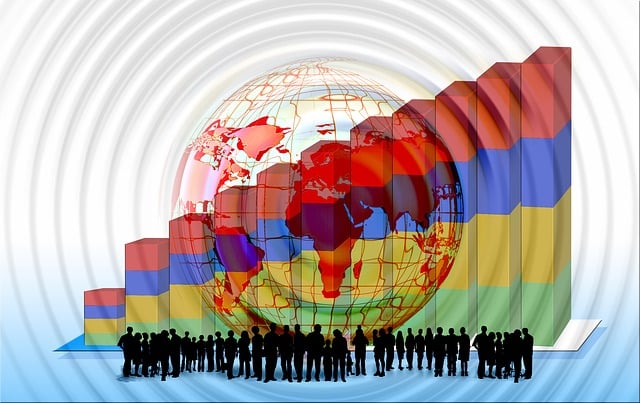
Understanding population growth dynamics is a crucial aspect of navigating modern consumer markets. Population growth, naturally occurring and often driven by factors like birth rates, life expectancy, and migration patterns, significantly influences economic trends and borrower requirements. According to recent global data, the world’s population is expected to reach 9.7 billion by 2050, presenting both opportunities and challenges for businesses and financial institutions. This growth is not uniform; some regions experience higher rates than others, leading to diverse economic landscapes.
In many developing countries, rapid population growth has outpaced infrastructure development, creating unique borrower requirements. For instance, in sub-Saharan Africa, where urban populations are expanding, the demand for housing finance and consumer credit has surged. Financial institutions must adapt to these dynamics by offering tailored products and services that cater to the specific needs of growing communities. This includes innovative lending models that consider the informal sector, which often employs a significant portion of the population in these regions. By embracing technology and data analytics, lenders can efficiently assess risk and provide access to credit for responsible borrowing, supporting economic growth.
Moreover, understanding population growth patterns helps in forecasting borrower behavior and market trends. As populations age, there is a shift towards increased demand for healthcare services and retirement planning, influencing investment strategies and insurance products. Conversely, younger populations may exhibit different spending patterns and preferences, necessitating adaptable marketing approaches. Financial institutions that effectively incorporate these insights into their business models stand to gain competitive advantages while ensuring responsible lending practices aligned with the evolving needs of consumers in a dynamic population landscape.
Factors Influencing Natural Population Growth

Population growth, a fundamental aspect of biology and demographics, refers to the natural increase in the number of individuals within a given species over time. Understanding the factors influencing this process is crucial for both academic exploration and practical applications, especially in the context of modern consumer insights. Several key elements interact to shape population growth, providing valuable lessons for consumers, researchers, and policymakers alike.
One primary factor driving natural population growth is fertility rates, which represent the average number of children born to a woman over her reproductive lifetime. Higher fertility rates contribute significantly to population increase. For instance, countries with historically higher fertility rates, such as those in Sub-Saharan Africa, have experienced substantial population growth. Understanding these trends empowers consumers to make informed decisions regarding family planning and reproductive health, aligning with their personal goals and societal needs. Moreover, knowledge of fertility patterns can influence borrower requirements, as lending institutions may adjust terms based on demographic projections, particularly when considering long-term financial commitments like mortgages or education loans.
Mortality rates, another critical component, play a significant role in population growth dynamics. Advances in healthcare and improved living conditions have led to decreased mortality rates worldwide, resulting in healthier populations and higher life expectancies. This trend is evident in many developed nations where robust healthcare systems have significantly reduced infant and adult mortality. Consumers can leverage this understanding to make informed choices regarding health insurance, retirement planning, and long-term care options. In the context of borrower requirements, lenders may consider an individual’s health status and longevity expectations when assessing loan applications, especially for substantial financial commitments.
Migration patterns also shape population growth naturally. Internal migration, involving movement within a country, and international migration, involving cross-border movement, can both increase or decrease populations in specific regions. For example, cities often attract migrants seeking better economic opportunities, leading to urban population growth. Consumers interested in real estate or business ventures may monitor migration trends to anticipate market shifts. Additionally, understanding migration dynamics is essential for policymakers when designing strategies to manage population distribution and ensure equitable access to resources, thereby influencing borrower requirements multiple times over a person’s lifetime as they navigate different geographic locations.
Measuring and Analyzing Population Expansion

Population growth is a vital indicator of an economy’s health and sustainability, especially for consumers who rely on robust markets and stable communities. Measuring and analyzing population expansion involves a multifaceted approach that considers demographic shifts, economic drivers, and environmental factors. Demographers employ statistical tools to track key metrics such as birth rates, mortality rates, migration patterns, and net internal migration, providing a holistic view of population dynamics.
For consumers, understanding population growth is crucial when assessing market potential and making informed investment decisions. As populations expand, so does the demand for goods and services, creating opportunities for businesses to grow and adapt. For instance, regions with significant youth populations often experience heightened construction activity as infrastructure needs increase, while areas with aging demographics may witness a surge in healthcare and retirement-related services. Population growth borrower requirements, which can be 1.5 to 2 times higher in rapidly growing regions, underscore the need for financial institutions to assess not only creditworthiness but also the underlying economic drivers fueling population expansion.
Moreover, environmental considerations play a significant role in population growth analysis. Climate change impacts, such as sea-level rise and increased frequency of extreme weather events, can shape migration patterns and urban development. For example, coastal cities facing impending inundation may experience internal migration to higher ground, altering local demographics and market dynamics. Understanding these interconnected factors allows consumers and businesses alike to anticipate changes, adapt strategies, and capitalize on emerging trends associated with population growth naturally.
In light of these considerations, demographers and economic analysts employ sophisticated modeling techniques to forecast future population trajectories. These models integrate historical data, current trends, and policy interventions to project short-term and long-term impacts. By staying abreast of such analyses, consumers can make strategic decisions regarding real estate investments, business expansion, or retirement planning in rapidly growing areas where population growth borrower requirements may be 2 to 3 times higher than in more stable markets. Ultimately, navigating the complexities of population expansion offers valuable insights for those seeking to capitalize on economic opportunities and ensure their financial well-being in an ever-changing world.
Strategies for Sustainable Population Growth Management

Population growth is a fundamental aspect of human development, but managing it sustainably is crucial for the well-being of current and future generations. As global populations continue to rise—projected to reach over 9.7 billion by 2050 according to the United Nations—it’s essential to adopt strategies that ensure growth is both healthy and sustainable. This involves a multifaceted approach, addressing environmental, social, and economic factors that influence population dynamics.
One key strategy is promoting sustainable family planning and reproductive health services. Providing access to voluntary family planning methods enables individuals and couples to make informed decisions about the size and spacing of their families. This natural approach respects cultural norms while empowering people to contribute to slower growth rates. For instance, countries like India have successfully implemented programs that focus on educating and providing resources for family planning, resulting in a significant decline in fertility rates without coercive measures.
Moreover, sustainable population growth management requires addressing underlying socio-economic factors. Poverty reduction strategies, universal education, and gender equality play pivotal roles in curbing high birth rates often linked to poverty. When basic needs are met and women have equal opportunities for employment and education, they tend to delay motherhood and have smaller families. This is evident in countries that have invested in comprehensive social safety nets and universal primary education, leading to more controlled population growth rates. By focusing on these borrower requirements—both economic and social— societies can foster a balance between population increase and sustainable development.
Additionally, urban planning and infrastructure development are critical tools for managing population growth. Efficient public transportation systems, green spaces, and well-designed cities promote higher density living without compromising quality of life. For example, compact urban designs in some European cities have enabled successful population increases while minimizing the environmental impact. This strategic approach to urban growth ensures that amenities and services can keep pace with rising populations, mitigating potential social and environmental pressures.