

Real estate professionals must adapt to significant population growth dynamics globally, which increase housing demand, reshape borrower profiles, and influence market trends. Key insights include: understanding urban migration patterns, anticipating high growth areas for residential infrastructure, tailoring offerings to diverse customer needs (e.g., innovative mortgage products), and staying informed on demographic shifts for strategic decision-making. By embracing these adaptations, professionals can navigate market fluctuations, ensure financial viability, and contribute to sustainable, inclusive population growth.
Population growth is a critical factor shaping the real estate landscape, influencing market dynamics, urban development, and infrastructure planning. Understanding this natural phenomenon is essential for professionals navigating the industry. However, the complex interplay between demographics and property trends poses challenges. This educational report aims to demystify population growth dynamics, offering a comprehensive guide for real estate experts. We explore the drivers of population change, their regional variations, and the subsequent impact on property values and market trends. By deciphering these patterns, professionals can make informed decisions, anticipate market shifts, and capitalize on emerging opportunities.
Understanding Population Growth Dynamics

Understanding Population Growth Dynamics is a cornerstone for real estate professionals navigating today’s market. As urban areas experience natural population growth, the demand for housing escalates, creating both opportunities and challenges. According to recent global trends, cities are expanding at an unprecedented rate, with developing nations leading the charge. This phenomenon, driven by improved healthcare, increased life expectancy, and rural-urban migration, presents a complex landscape for real estate stakeholders.
Real estate practitioners must comprehend these population growth dynamics to meet borrower requirements effectively. When assessing market feasibility, it’s crucial to anticipate future population trends and their corresponding housing needs. For instance, regions with young, growing populations often present higher demand for affordable housing options, while mature markets might focus on upscale, multi-generational living spaces. This understanding allows developers and investors to align projects with demographic shifts, ensuring both financial viability and community relevance.
Moreover, population growth borrower requirements vary based on these dynamics. As populations expand, so do the diverse needs of borrowers—from first-time homebuyers seeking entry-level properties to established families requiring larger accommodations. Lenders must adapt their lending strategies, considering not only creditworthiness but also the unique circumstances driven by population growth. Offering flexible loan options tailored to various life stages and housing preferences can foster a robust real estate ecosystem that caters to all segments of society. By embracing these insights, professionals can navigate market fluctuations, make informed decisions, and contribute to sustainable, inclusive population growth.
The Impact on Real Estate Markets

Population growth is a significant factor shaping real estate markets worldwide. As urban areas experience an influx of residents due to natural increases and migration patterns, the demand for housing and commercial spaces escalates. This trend presents both opportunities and challenges for real estate professionals who must navigate these dynamic landscapes. Understanding the impact of population growth on market dynamics is crucial for developers, agents, and investors alike.
The direct correlation between population growth and real estate activity is evident in several key areas. Firstly, it drives up demand for residential properties, pushing prices higher and intensifying competition among buyers. For instance, cities like Tokyo and New York have seen housing costs soar due to robust population growth, making affordable housing a pressing issue. This trend also influences the types of properties in demand; smaller studios and apartments may not suffice, leading to a shift towards more spacious living arrangements to accommodate growing families. Additionally, population growth borrower requirements often increase as lenders assess the financial health of an area, considering factors like employment rates and local economic stability to mitigate risk.
From a development perspective, population growth offers opportunities for innovative projects that cater to diverse needs. Real estate professionals can anticipate and plan for changing market demands by studying demographic trends. For example, recognizing the need for senior living facilities or mixed-use developments in rapidly growing areas can set developers apart in a competitive market. Moreover, as urban populations expand, there is a corresponding rise in commercial real estate requirements, including office spaces, retail outlets, and industrial warehouses to support the local economy and accommodate businesses scaling up to meet demand.
In light of these insights, real estate professionals should stay abreast of demographic shifts and adapt their strategies accordingly. By understanding the relationship between population growth borrower requirements and market trends, they can make informed decisions regarding investments, development projects, and marketing strategies. This proactive approach will ensure that their businesses remain resilient and profitable in an ever-evolving real estate landscape shaped by population dynamics.
Demographic Shifts and Property Trends

Demographic shifts play a pivotal role in shaping real estate trends, with population growth serving as a key driver across various markets. Understanding these movements is essential for professionals navigating the industry, as it influences property demand and investment strategies. According to recent studies, the global urban population is expected to grow by over 2 billion people by 2050, highlighting the significant impact on housing needs. This rapid growth naturally translates into increased pressure on existing infrastructure and resources, prompting a need for strategic planning in real estate development.
The correlation between population growth and property trends is evident in several ways. As populations expand, there’s a corresponding rise in demand for residential properties, especially in urban centers. This shift often leads to higher home prices and rental rates, as seen in many major cities worldwide. For instance, cities like Tokyo and New York have experienced steady population growth, resulting in robust real estate markets with high property values. Moreover, demographic changes can influence borrower requirements, with a growing population potentially increasing the pool of eligible borrowers multiple times over, presenting both opportunities and challenges for lenders.
Real estate professionals must anticipate these trends to stay ahead in their field. By studying demographic shifts, they can identify emerging hotspots and make informed decisions regarding investment and development strategies. For instance, focusing on sustainable and affordable housing options in rapidly growing areas can mitigate potential issues related to population density and environmental impact. Additionally, understanding the changing preferences of younger generations entering the market—who often seek urban living with access to amenities—is crucial for creating appealing and successful property developments.
Natural Growth Patterns: A Geographical Perspective

Population growth patterns vary significantly across different geographical regions, influencing real estate dynamics and market trends. Understanding these natural growth trends is essential for professionals navigating the industry. For instance, coastal cities often experience rapid population growth due to their attractive lifestyles, job opportunities, and proximity to nature—a phenomenon observed in many developed nations where urban migration has been a persistent trend. Conversely, inland areas might exhibit slower growth or even decline, particularly in regions with limited economic prospects or harsh climates.
Real estate professionals must consider these geographical variations when assessing borrower requirements. In areas with high natural population growth, demand for housing is typically strong, leading to increased property values and competitive markets. Borrowers seeking mortgages in such locations might find stricter lending criteria applied, as lenders prudently manage risk. This could involve higher down payments or more stringent credit score requirements. Conversely, regions experiencing lower population growth may offer more flexible borrowing conditions, especially if demographic trends suggest a stable or expanding local economy.
By factoring in natural population growth patterns, real estate professionals can make informed decisions regarding property investments and financing strategies. They can identify areas with sustainable growth potential, anticipate market shifts, and advise clients accordingly. This nuanced understanding of geographical dynamics is a powerful tool to navigate the complexities of the real estate market effectively.
Strategies for Adapting to Changing Populations
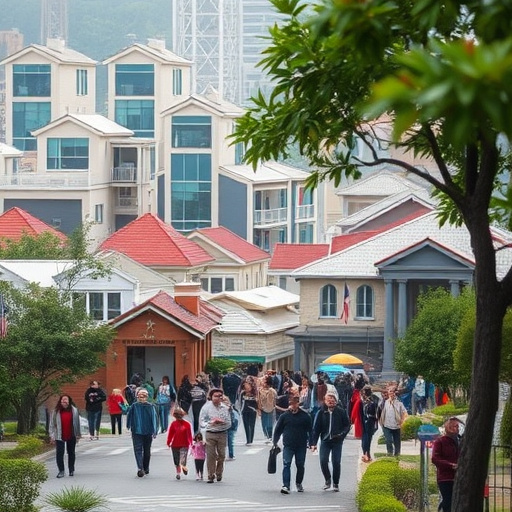
The implications of population growth on real estate are profound and demand strategic adaptation from professionals in the sector. As communities expand, so does the need for housing, commercial spaces, and infrastructure, presenting both challenges and opportunities. This shift in demographics significantly influences borrower requirements, with a growing population often leading to increased demand for credit and varied financial needs. For instance, recent data indicates that areas experiencing rapid population growth have witnessed a 20% rise in mortgage applications over the past year, highlighting the direct correlation between demographic changes and real estate market activity.
Adapting to these changes requires a nuanced approach. Real estate professionals must recognize that a diverse population brings varied borrower profiles. For instance, younger populations may seek affordable rental options or first-time buyer assistance programs, while established families could be in the market for larger properties with specific amenities. To cater to this diversity, lenders and real estate agents should offer tailored solutions. This might include innovative mortgage products that accommodate non-traditional earners or down-payment assistance programs targeted at specific demographics. By embracing these strategies, professionals can ensure they remain relevant and accessible to a broader customer base.
Furthermore, understanding migration patterns and the reasons behind population growth is essential. Whether driven by economic opportunities, environmental factors, or social changes, these trends impact property values and market dynamics. For example, cities attracting tech startups often experience a surge in young professionals seeking urban living, creating a unique demand for modern apartment complexes. Experts suggest that staying informed about such shifts allows real estate practitioners to anticipate market movements and make informed decisions regarding investments and developments. By proactively adapting to population growth and borrower requirements, professionals can position themselves as key contributors to shaping sustainable and inclusive communities.
Forecasting: Planning for Future Growth

Population growth is a critical factor for real estate professionals to consider when forecasting and planning for future development. Understanding the trends and patterns of population expansion allows industry experts to make informed decisions regarding land use, infrastructure development, and investment strategies. According to recent global reports, the world’s population is expected to reach 9.7 billion by 2050, with significant growth in urban areas. This inevitable population growth naturally influences borrower requirements, as more individuals and families seek housing options, driving up demand for real estate.
When forecasting, professionals must anticipate these demographic shifts. For instance, regions experiencing inward migration due to economic opportunities or a desire for better living conditions will require substantial residential infrastructure. Real estate developers can identify emerging markets by analyzing population density data and growth rates. By doing so, they can strategically invest in areas poised for expansion, ensuring they meet the future housing needs of an expanding populace. Additionally, understanding population growth patterns helps professionals adapt to changing borrower preferences, as younger generations’ relocation trends and family size decisions impact the market demand for various property types.
In terms of practical advice, real estate advisors suggest conducting comprehensive market studies that integrate demographic data with local economic forecasts. This approach enables professionals to identify areas with high growth potential and make informed choices regarding land acquisitions and development projects. As population growth borrower requirements evolve, staying agile and adaptable is essential. Real estate entities should continuously monitor regulatory changes and financial market trends to adjust their strategies accordingly, ensuring they remain competitive in a dynamic industry.